Community
DOJ election monitors could be present in Minnesota: What you should know
By Katherine Langford
Advertisement · Why this ad?
Katherine oversees editorial operations across all six brands. Before joining The Meridan Group, she spent 14 years at the Minneapolis Star Tribune, where she led the metro desk through its digital transformation. She holds a Master's in Journalism from Northwestern's Medill School.
More from Katherine →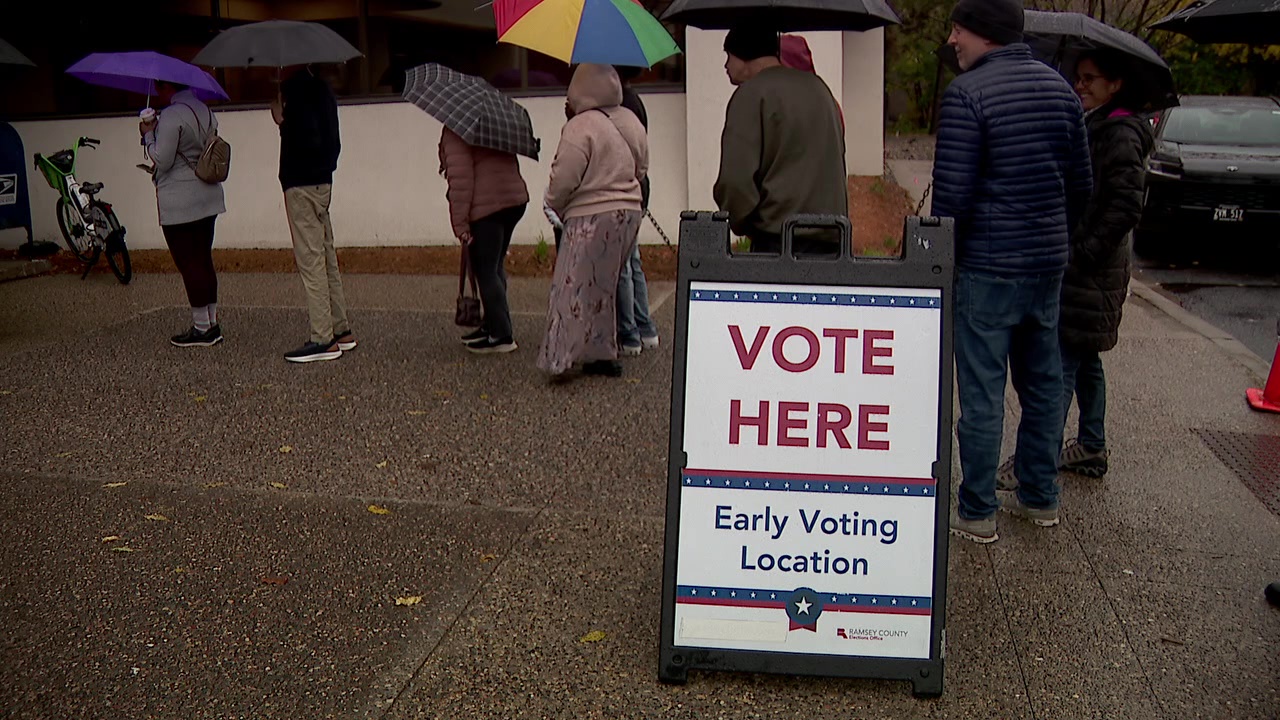
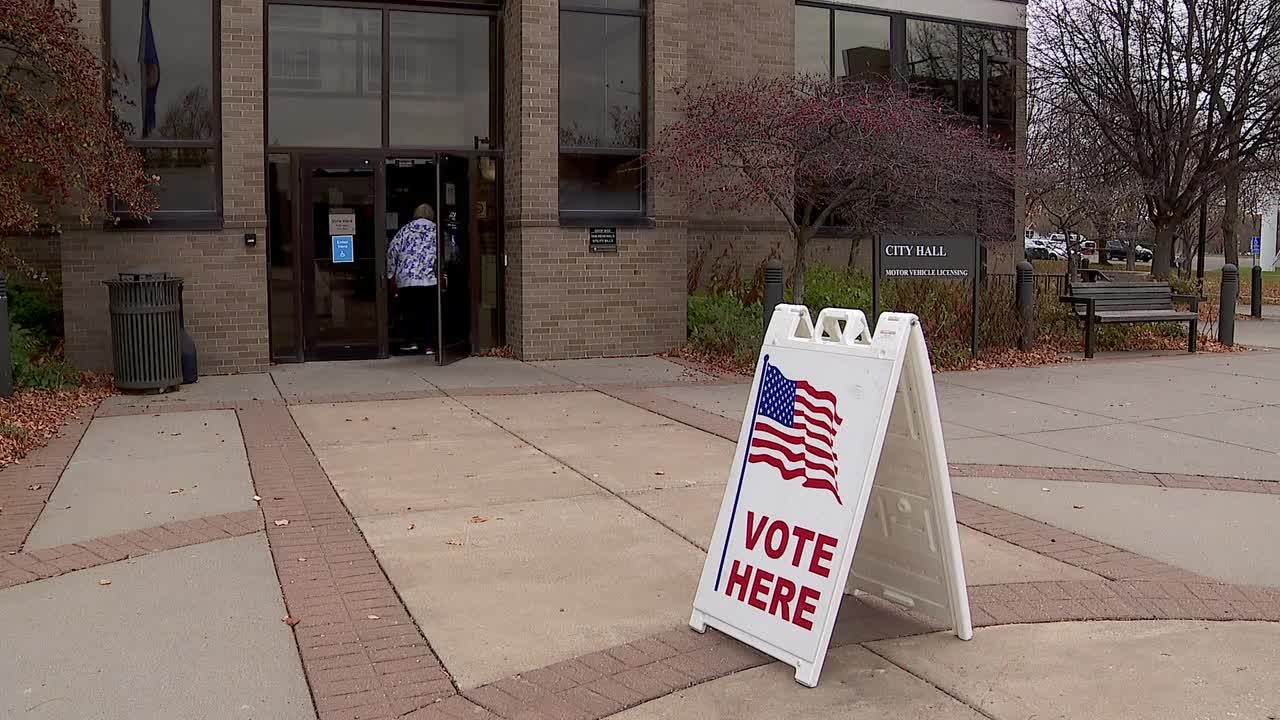
As the sun rose on the morning of November 3, 2020, the streets of Minneapolis were bustling with voters, many clutching umbrellas in anticipation of the rain forecasted for the day. Among them was Mary Johnson, a lifelong resident of the city, who stood in line for early voting, reflecting on the significance of her civic duty. "Every vote counts, especially in a year like this," she said, her voice barely audible over the sound of raindrops beginning to patter against the pavement. Her sentiment echoes the urgency felt by many in the community as the midterm elections approached.
On Monday, November 2, the Minnesota Secretary of State's Office, led by Secretary Steve Simon, provided an update on early voting turnout and expectations for Election Day. With rain predicted for Tuesday, the office emphasized the importance of preparedness as voters headed to the polls. The data showed that early voting had already seen significant participation, with long lines forming in St. Paul, where umbrellas became a common sight.
Research indicates that weather can impact voter turnout, particularly rain, which has historically been shown to deter voters. A study conducted by political science professors examined presidential elections from 1940 to 2000, concluding that an inch of rain above normal could decrease turnout by nearly 1%. Although this may seem minimal, Dr. Brad Gomez from Florida State University highlighted that such changes could have altered the outcomes of pivotal elections.
For instance, Gomez noted that adverse weather conditions might have changed the course of history, suggesting that Richard Nixon could have defeated John F. Kennedy in 1960 if rain had been more prevalent on Election Day. Similarly, he argued that Al Gore might have won the presidency in 2000 had rain not affected voter turnout in Florida. These historical reflections underscore the potential implications of weather on electoral outcomes.
In the context of Minnesota, however, local researchers suggest that the impact of weather on voter turnout may not be as pronounced. Dr. David Schultz, a political science professor at Hamline University, pointed out that Minnesota's voting habits have evolved significantly over the years. The state experienced its highest midterm election turnout in 2018, despite adverse weather conditions, including rain and snow.
“We have become a hardy group,” Schultz remarked, suggesting that Minnesotans are accustomed to braving the elements to fulfill their civic responsibilities. He further noted that only about a third of American voters cast their ballots on Election Day, meaning that many voters have already participated through early voting, thereby reducing the potential impact of weather on overall turnout.
Early voting has become a staple of the electoral process since its introduction in Minnesota in 2000. This shift has allowed voters to cast their ballots at their convenience, irrespective of weather conditions on Election Day. As a result, the urgency of braving rain or snow has diminished for many. According to the Secretary of State's Office, early voting in Minnesota has significantly increased participation, with many voters opting to avoid the crowds and potential weather-related challenges on Election Day.
Gomez and Schultz concur that while extreme weather events, such as blizzards or severe storms, could still hinder turnout, ordinary rain is unlikely to deter dedicated voters. The research suggests that the resilience of Minnesota voters, combined with the rise of early voting, has led to a more stable turnout regardless of the weather.
As the community prepares for the upcoming elections, the focus remains on ensuring that every eligible voter has the opportunity to participate. The Secretary of State's Office is working diligently to facilitate a smooth voting process, emphasizing the importance of voter education and accessibility. With Election Day just around the corner, officials are encouraging residents to familiarize themselves with their polling locations and voting options.
In light of the anticipated rain, voters are reminded to plan accordingly. The Secretary of State's Office has provided resources for checking polling places and understanding voting procedures on their official website. This proactive approach aims to mitigate any potential barriers that weather may pose on Election Day.
Ultimately, the relationship between weather and voter turnout is a complex one, influenced by various factors, including the evolving landscape of voting practices. The research conducted by Gomez and his colleagues offers valuable insights into how weather patterns can influence elections, but it also highlights the resilience of voters who prioritize their civic duties.
As Minnesota approaches the midterm elections, the community's commitment to participating in the democratic process remains strong. The shared experiences of voters like Mary Johnson serve as a reminder of the importance of each individual's voice in shaping the future of the state and the nation.
To better understand the local sentiment regarding weather and voting, we spoke to several community members at early voting sites in Minneapolis. Many expressed a determination to vote despite the rain. "I brought my kids with me today to show them how important it is to vote, even if it’s raining," said 32-year-old father of two, Carlos Martinez. His perspective reflects a broader commitment to civic engagement that transcends weather conditions.
Additionally, local organizations have stepped up to encourage voter turnout, particularly among young voters and first-time voters. Groups like the Minnesota Youth Council have been working tirelessly to educate their peers about the voting process, emphasizing the importance of participating in elections regardless of weather challenges. “We want to make sure everyone feels empowered to vote, rain or shine,” said council member Aisha Thompson.
The implications of voter turnout in Minnesota extend beyond the immediate elections. The state's political landscape has significant ramifications for national policies and local governance. High voter participation rates can lead to more representative outcomes that reflect the diverse voices of the community. Moreover, engaging in the electoral process fosters a sense of belonging and commitment among residents, reinforcing the ideals of democracy.
As Minnesota gears up for the midterms, the potential impact of weather on voter turnout serves as a reminder of the importance of accessibility and education in the voting process. By ensuring that all voters are informed and prepared, the state can mitigate the effects of rain and other challenges, allowing for a more robust democratic process.
As we look ahead to the future, it is crucial for communities to continue fostering an environment that encourages voter participation, regardless of weather conditions. By prioritizing education and accessibility, Minnesota can ensure that its residents remain engaged in the electoral process, upholding the values of democracy and civic responsibility.
By Katherine Langford
By Katherine Langford
By Marcus Chen
By Katherine Langford